HomeThe StoryThe CollectionThe LighthousesPharophanaliaMake it yours
Lighthouse Mill

PharophanaliaLighthouse gifts and extras

My made up word for the bits and pieces that gather around a love of lighthouses, from pharos, the first great lighthouse. This is where you will find them: our Lighthouse Lantern wine stoppers, The Keeper’s Table lighthouse cutting boards, the shirts and caps our makers wear in the workshop, and charcoal drawings of the lights we love.

Ken

Lighthouse Lantern Wine Stoppers

The lantern of each Cape Town Icon, turned in hard maple and hand painted in a thin Koate wash so the grain shows through, then set on a stainless steel stopper that closes a standard wine bottle. Five lights, one for every corner of a Cape Town day.

One Cape Town day

Take the morning ferry from the V&A Waterfront to Robben Island, where bonfires burned on Fire Hill long before its lighthouse was lit in 1865. Drive south past Green Point, our oldest working light, and the brick base that is all that remains of old Mouille Point, then on to Cape Point, where the 1860 light still stands on the peak above the one that replaced it. Back at the Waterfront, open a bottle of Cape wine as the lights come on across the bay, and close it with a Lighthouse Lantern.

The Cape Point Lighthouse Lantern wine stopper Coming soon
Today’s light, 1919

Cape Point Lantern

Built lower on the cliffs in 1919 after the old light on the peak was too often lost in cloud. Today it is the most powerful light on the South African coast.

Turned maple lantern under a thin Koate wash, so the grain showsSolid painted lantern panes and a turned maple topMaple band with the name burned inStainless spike and silicone rings fit standard wine bottles
PricePrice to follow
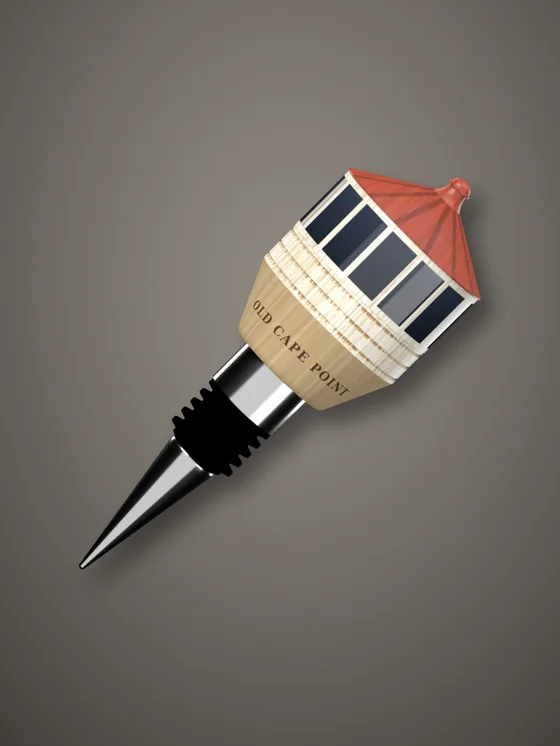
The Old Cape Point Lighthouse Lantern wine stopper Coming soon
The light on the peak, 1860

Old Cape Point Lantern

Lit high on the peak in 1860 and so often hidden in mist that a new light was built below it. It still stands at the top of the funicular, keeping watch.

Turned maple lantern under a thin Koate wash, so the grain showsSolid painted lantern panes and a turned maple topMaple band with the name burned inStainless spike and silicone rings fit standard wine bottles
PricePrice to follow
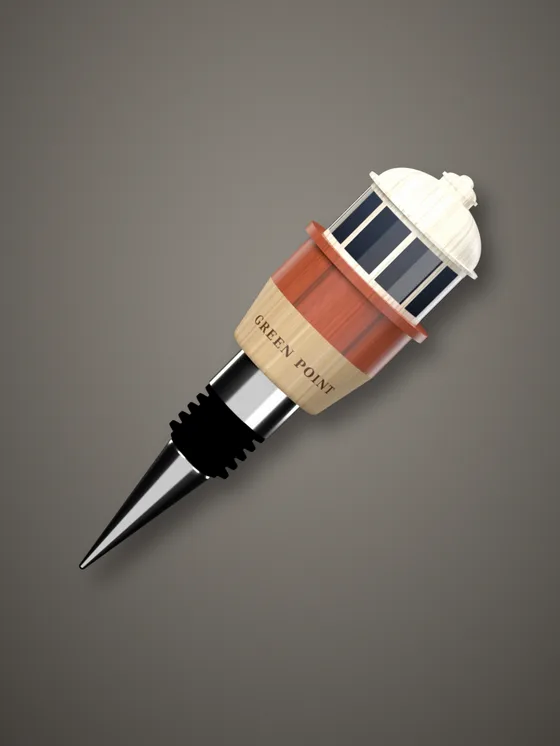
The Green Point Lighthouse Lantern wine stopper Coming soon
The oldest working light, 1824

Green Point Lantern

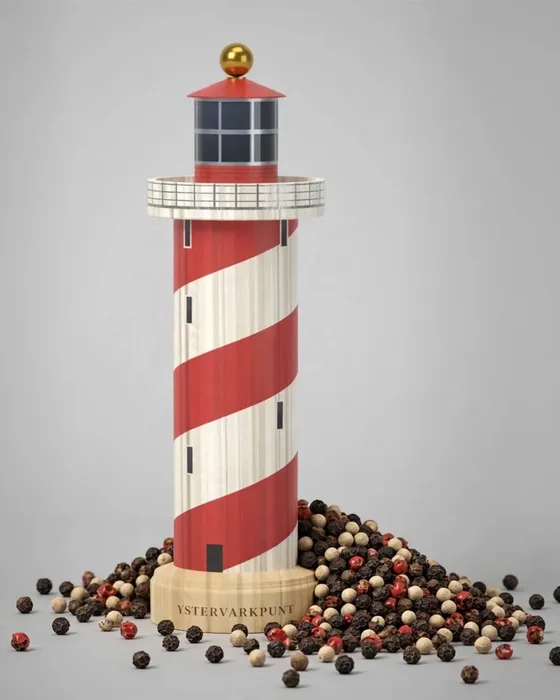
South Africa’s first lighthouse, lit with whale oil in 1824 and still working, famous for its red and white stripes and the foghorn locals call Moaning Minnie.

Turned maple lantern under a thin Koate wash, so the grain showsSolid painted lantern panes and a turned maple topMaple band with the name burned inStainless spike and silicone rings fit standard wine bottles
PricePrice to follow

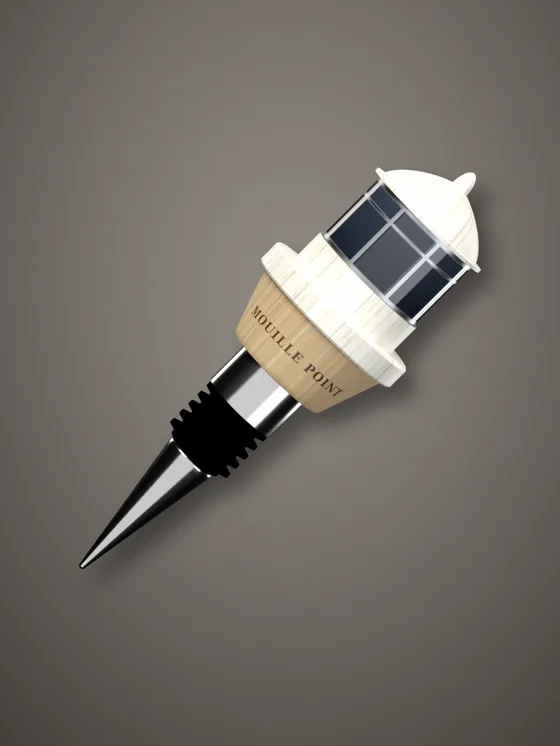
The Mouille Point Lighthouse Lantern wine stopper Coming soon
The lost light, 1842

Mouille Point Lantern

South Africa’s second lighthouse, a red and white tower that shone over Table Bay until 1908. Its brick base still stands at Granger Bay.

Turned maple lantern under a thin Koate wash, so the grain showsSolid painted lantern panes and a turned maple topMaple band with the name burned inStainless spike and silicone rings fit standard wine bottles
PricePrice to follow
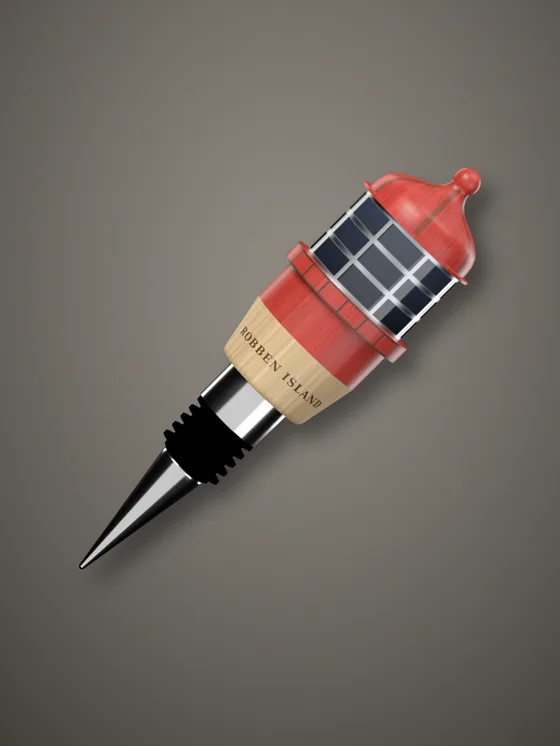
The Robben Island Lighthouse Lantern wine stopper Coming soon
Across the bay, 1865

Robben Island Lantern

Lit in 1865 on Minto Hill, where bonfires once burned to warn ships. You meet it from the ferry, on an island that holds so much of our story.

Turned maple lantern under a thin Koate wash, so the grain showsSolid painted lantern panes and a turned maple topMaple band with the name burned inStainless spike and silicone rings fit standard wine bottles
PricePrice to follow
New: lighthouse cutting boards

The Keeper’s Table

Every lighthouse had two lights. One turned in the lantern all night for the ships. The other burned low in the keeper’s cottage below it, over a plain wooden table where the bread was cut, the logbook was written up and the family sat down together between watches.

The Keeper’s Table is our tribute to that second light. Each board is the outline of one of our lighthouses, laid flat: the tower becomes the cutting face, and the lantern at the top becomes the handle you carry it by.

Wood, fire and a little oil

We kept them honest and simple. Each tower is cut from solid hardwood, glued up in bands so the colours of the lighthouse show in natural wood, with no paint or stain. The grain always runs the full length of the board, so the handle stays strong. The windows, doors and lantern panes are burned in with the laser, deep enough to last a lifetime of washing up, and the name of the lighthouse is burned into the foot. On the back, a plain cutting face carries our mark from a branding iron.

Every board is finished with a food safe board oil. Oil it again now and then, and it will darken and deepen the way the keeper’s table did, year after year.

From the maker’s rack

Here is where our makers get to play. Every board starts with the shape of its lighthouse, and the wood comes from whatever is on the rack in the workshop at the time: maybe hard maple or ash for the pale parts, or perhaps Padauk, Kiaat, walnut, Imbuia or Ziricote for the dark and the red. One Green Point might come out in Padauk stripes, the next in walnut, or something we have not thought of yet.

So the boards in the pictures show one way each lighthouse can be made, not the only way. Each board you receive is close to one of a kind, and we will tell you exactly which woods went into yours.

Five lights to start

We have begun with five towers whose shapes we love on the table: Bird Island, Green Point, Cape Point, Castle Point and Cape Columbine. Use one for bread and cheese, serve on it, or hang it by the hole in the lantern so the lighthouse stands on your kitchen wall. Each one is R850.00.

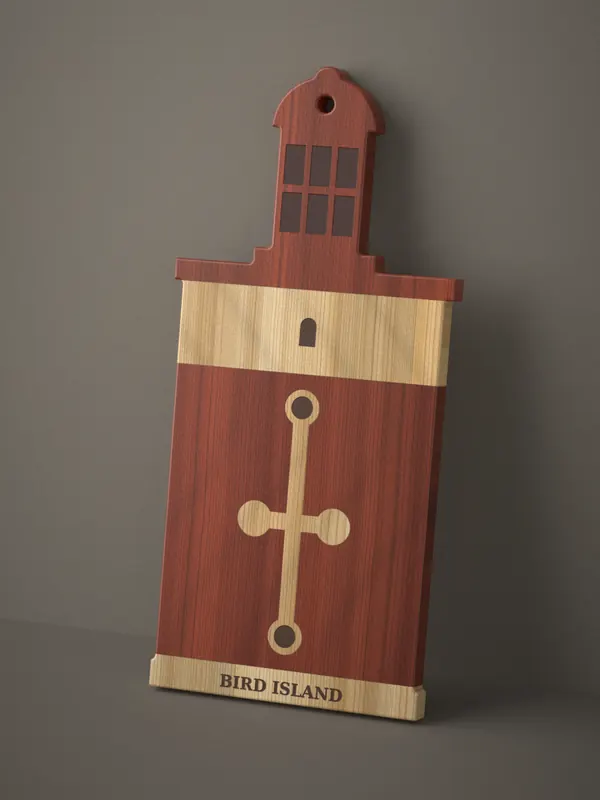
The Bird Island cutting board from The Keeper’s Table, standing on its edgeComing soon
Out in Algoa Bay

Bird Island Board

The light on Bird Island, out in Algoa Bay off Gqeberha, where the gannets crowd the rocks in their thousands. Shown in bands of Padauk and maple, with a long maple cross inlaid down the tower and a round porthole at each end. Your board might be Padauk or Kiaat for the warm bands, set against maple or another pale wood, and the cross can follow in whichever light wood the maker chooses.

Shown: Padauk and hard mapleMaybe: Kiaat, walnut or Imbuia for the dark bands; ash or another pale wood for the light onesLight wood cross inlay, six lantern panes burned into the handleAbout 214 × 455 × 20 mmName burned into the foot, our mark branded on the backWoods vary from board to board; the board shown is one example.
PriceR850.00

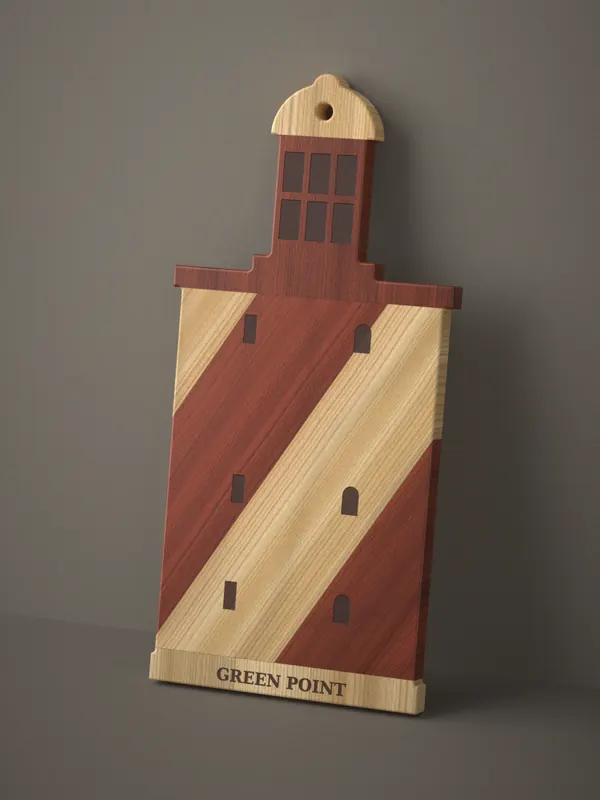
The Green Point cutting board from The Keeper’s Table, standing on its edgeComing soon
The oldest working light, 1824

Green Point Board

Our oldest working lighthouse and its famous diagonal stripes, laid up in four broad bands of a red wood and a pale one, shown here in Padauk and maple under a maple dome. The maker may choose Kiaat or walnut for the dark stripes instead, or Ziricote for a striking variation. Slot and arched windows burned in, the way they climb the real tower.

Shown: Padauk and hard mapleOr: Kiaat, walnut or Ziricote stripes on maple or another pale woodDiagonal stripes, light wood dome, six lantern panesAbout 214 × 445 × 20 mmName burned into the foot, our mark branded on the backWoods vary from board to board; the board shown is one example.
PriceR850.00

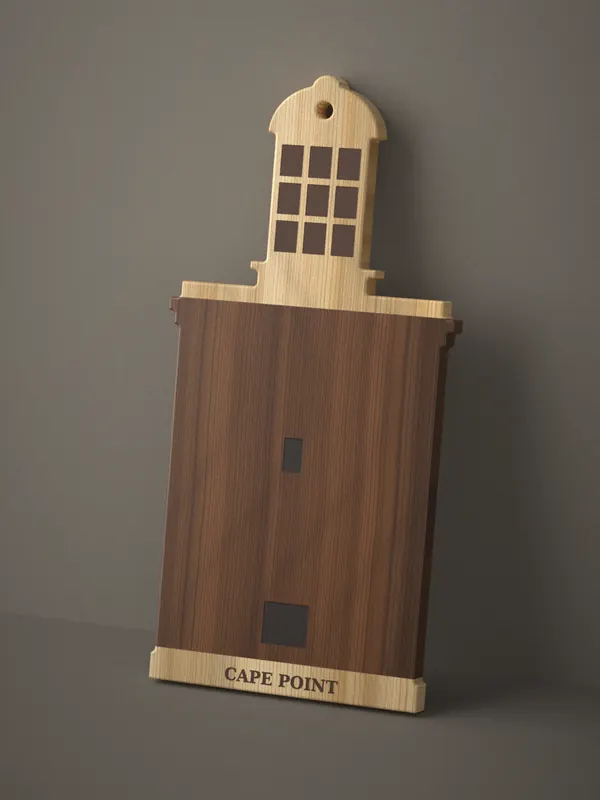
The Cape Point cutting board from The Keeper’s Table, standing on its edgeComing soon
Today’s light, 1919

Cape Point Board

The light on the cliffs below the peak, the most powerful on our coast. A dark tower with stepped string courses cut into the outline, a pale top and a lantern handle with nine panes. Shown in walnut and maple; it could just as well be Imbuia, Ziricote or another deep toned wood from the maker’s rack.

Shown: walnut and hard mapleMaybe: Imbuia or Ziricote for the tower, ash or maple for the topStepped string courses, nine lantern panesAbout 218 × 443 × 20 mmName burned into the foot, our mark branded on the backWoods vary from board to board; the board shown is one example.
PriceR850.00

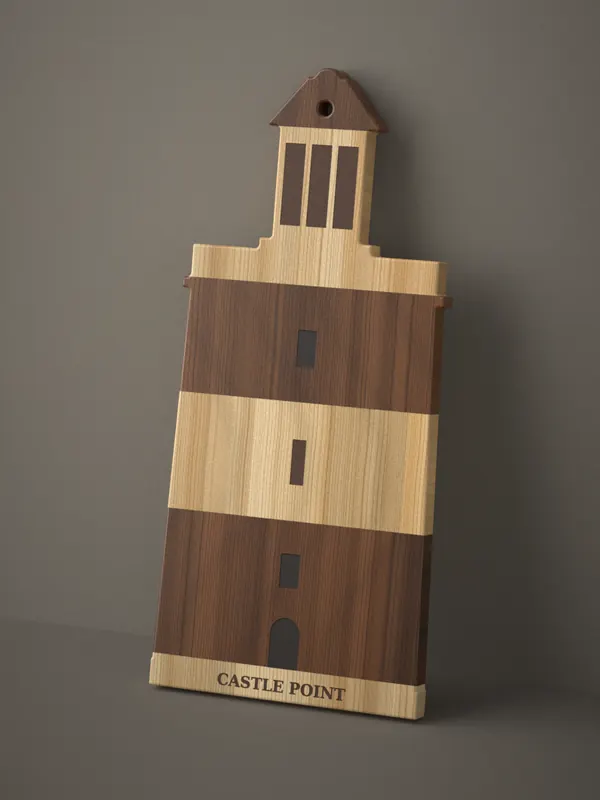
The Castle Point cutting board from The Keeper’s Table, standing on its edgeComing soon
A tower of bands

Castle Point Board

Alternating dark and light bands that narrow as they rise, just as the old wooden tower did, up to a pale lantern and a dark cone roof. Shown in walnut and maple; the dark bands may also come in Imbuia, Padauk or Kiaat, so no two need look alike. Three tall panes burned into the handle.

Shown: walnut and hard mapleOr: Imbuia, Padauk or Kiaat bands with maple or ashTapered bands, dark cone roof, three tall panesAbout 206 × 453 × 20 mmName burned into the foot, our mark branded on the backWoods vary from board to board; the board shown is one example.
PriceR850.00

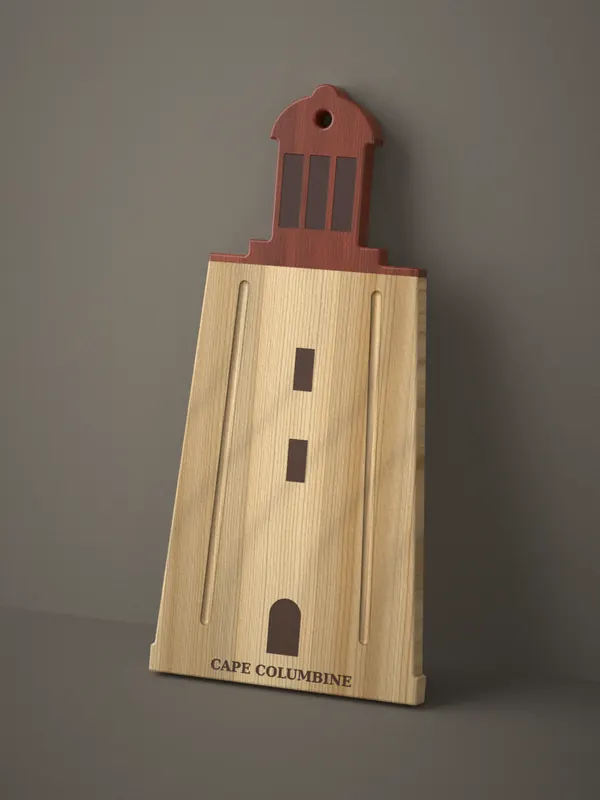
The Cape Columbine cutting board from The Keeper’s Table, standing on its edgeComing soon
The West Coast, near Paternoster

Cape Columbine Board

The square tower on the granite at Cape Columbine, near Paternoster. A tapered pale tower with two routed grooves for its pilasters, a red lantern house and three tall panes. Shown in maple and Padauk; the lantern house might be Kiaat or walnut instead, and the tower ash or another light wood.

Shown: hard maple and PadaukMaybe: an ash tower, or a Kiaat or walnut lantern houseTwo routed grooves, three tall lantern panesAbout 206 × 431 × 20 mmName burned into the foot, our mark branded on the backWoods vary from board to board; the board shown is one example.
PriceR850.00

Caring for your board: wash by hand in warm soapy water and dry it standing up. Never soak it or put it in the dishwasher. When the wood looks thirsty, rub in a little board oil and leave it overnight.

From the workshop

What our makers wear

The shirts and caps our makers wear at the lathe and on the road to the lighthouses. We make them in small runs for the people who build Lighthouse Mill, and keep a few for friends of the workshop.

T shirts

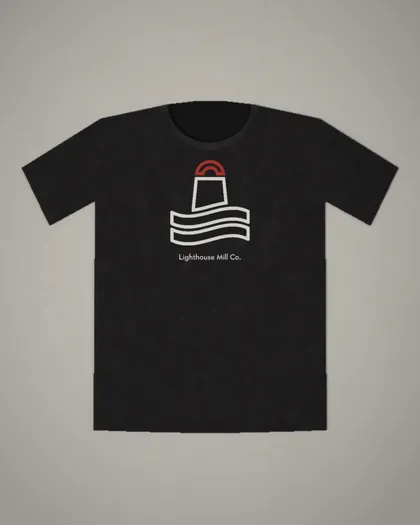
Black T shirt with the Lighthouse Mill logo in white and a red lantern
BlackRed Light
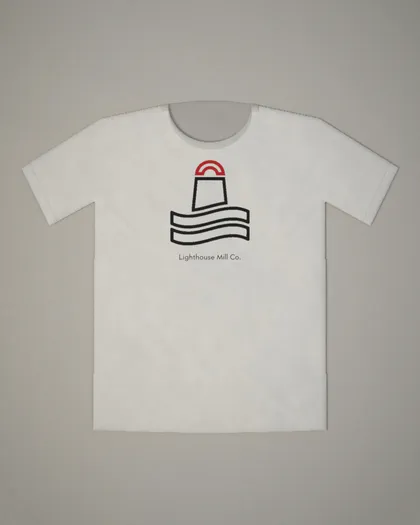
White T shirt with the Lighthouse Mill logo in black and a red lantern
WhiteRed Light
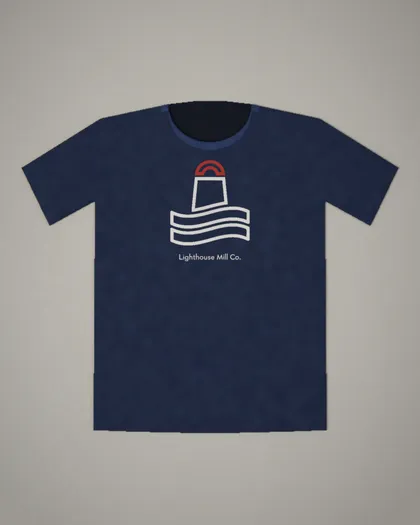
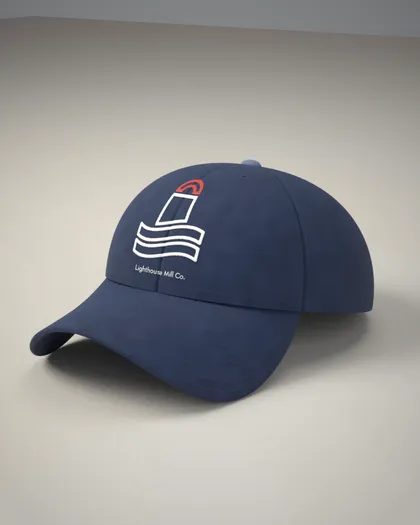
Navy T shirt with the Lighthouse Mill logo in white and a red lantern
NavyRed Light
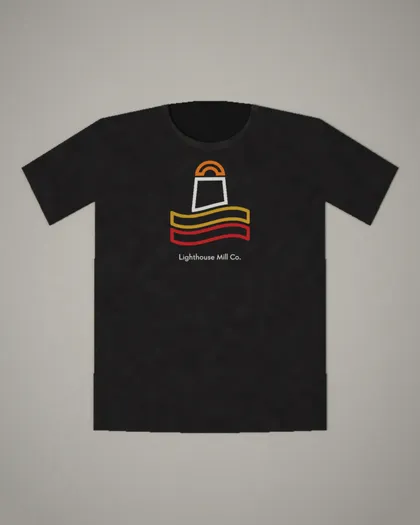
Black T shirt with the Lighthouse Mill logo, an orange lantern and mustard and red waves
BlackSundowner

Caps

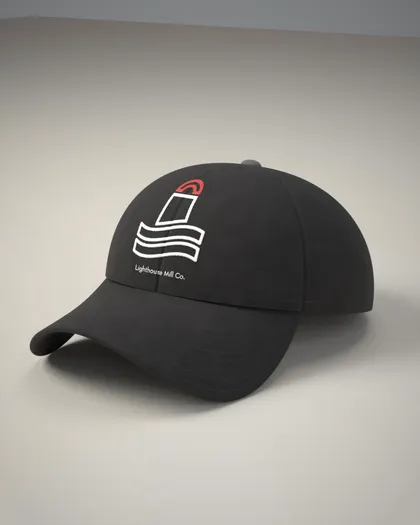
Black cap with the Lighthouse Mill logo in white and a red lantern
BlackRed Light Cap
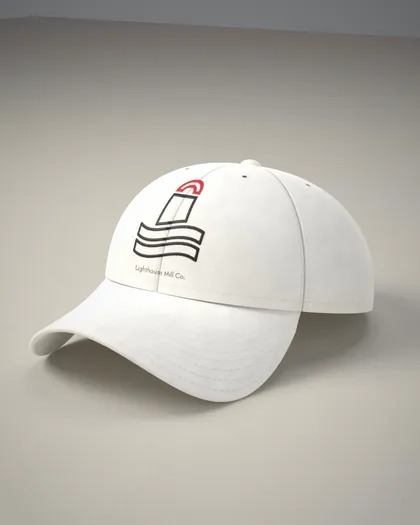
White cap with the Lighthouse Mill logo in black and a red lantern
WhiteRed Light Cap
Navy cap with the Lighthouse Mill logo in white and a red lantern
NavyRed Light Cap
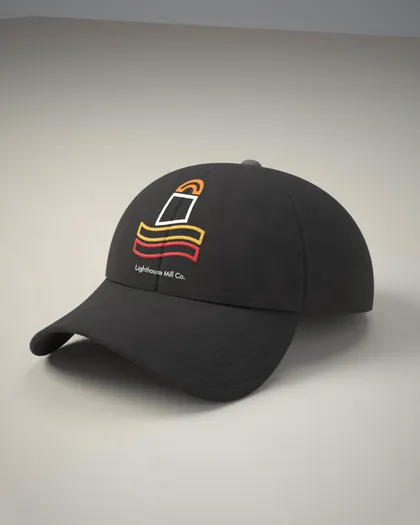
Black cap with the Lighthouse Mill logo, an orange lantern and mustard and red waves
BlackSundowner Cap

Lighthouse Charcoal Drawings

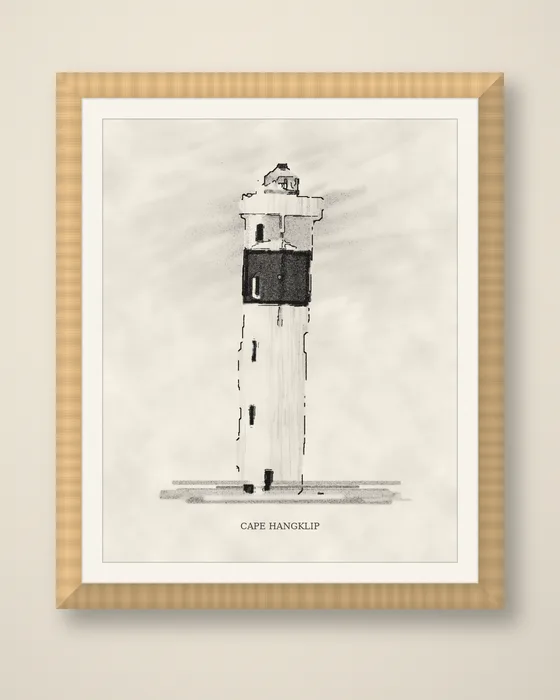
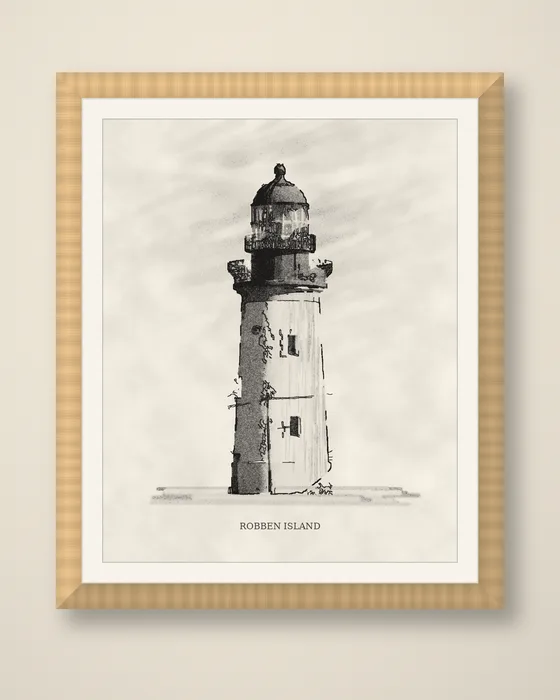
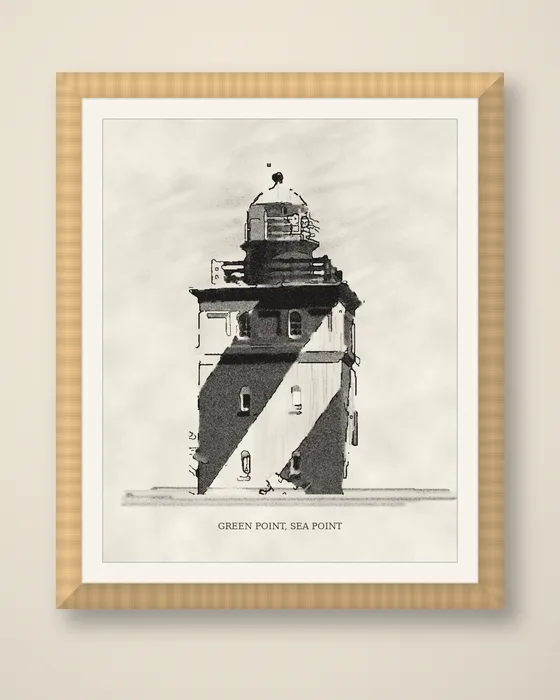
Charcoal drawings of each lighthouse as it stands today, lantern, gallery and dome: deep smudged darks, a smoky sky rubbed in around the light and the grain of the paper showing through. Each is framed in natural maple, the same wood our mills stand on.

From Hangklip to Table Bay

The drawings begin at Cape Hangklip. We make our mills along the Whale Coast, and the black and white tower beneath the hanging rock is our home light: the one we pass on the road and visit at the end of a long day. The first charcoal drawing had to be Hangklip, and the old Hangklip Hotel at the foot of the mountain has one of its own. Robben Island and Sea Point take the idea further, across Table Bay to the island light on Minto Hill and along the Atlantic seaboard to the red and white stripes of Green Point at sunset, and they are only the start.

The pictures are samples. Each drawing is priced individually when it is available.

Concept charcoal drawing of Cape Hangklip lighthouse in a maple frameSample image
Where it began

Cape Hangklip

Our home light, the black and white tower beneath the great hanging rock at the end of the road past Pringle Bay. The lighthouse that started it all, drawn in charcoal.

Charcoal drawing of the lighthouse as it stands todayFramed in natural maple with a white matSize 45 cm x 60 cm
PricePrice to follow

Concept charcoal drawing of the Hangklip Hotel beneath Hangklip mountain in a maple frameSample image
Under Hangklip

The Hangklip Hotel

The old hotel at the foot of the mountain, a hotel since 1952, its gable sign under the great rock face of Hangklip.

Charcoal drawing of the hotel beneath HangklipFramed in natural maple with a white matSize 45 cm x 60 cm
PricePrice to follow

Concept charcoal drawing of Robben Island lighthouse in a maple frameSample image
Across the bay

Robben Island

The tower on Minto Hill that greets the ferry at the end of the crossing, with its red lantern and dome drawn in charcoal.

Charcoal drawing of the lighthouse as it stands todayFramed in natural maple with a white matSize 45 cm x 60 cm
PricePrice to follow

Concept charcoal drawing of the Green Point lighthouse in a maple frameSample image
The Atlantic seaboard

Sea Point

The Green Point lighthouse that watches over the Sea Point promenade, its famous diagonal stripes drawn in charcoal.

Charcoal drawing of the lighthouse as it stands todayFramed in natural maple with a white matSize 45 cm x 60 cm
PricePrice to follow